
Specialized Civil Works
Specialized
civil works
Allied civil engineering for dams, barrages and river weirs — foundation and bedrock treatment, mass concrete and RCC works, spillways, seepage cut-offs, trench-weir troughs and desilting chambers, built in coordination with the hydro-mechanical scope and tailored to the site.
Overview
Engineered for the site
Every dam, barrage and river weir sits in a different hydrodynamic and geological setting — a mountain valley, a broad alluvial river, a steep boulder-strewn bed. The civil structure is engineered for that site, from the foundation up, not adapted from a standard drawing.
Basmni delivers the allied civil scope for water-retaining and diversion structures — foundation and bedrock treatment, mass concrete and RCC works, spillways and energy dissipators, seepage cut-offs, trench-weir troughs and desilting chambers — and builds it in step with the trash racks, gates and embedded parts so the two packages fit together on site.
How it works
Study
Design
Build
Site study and preparation
The site is studied first — storage in a mountain valley, diversion across a flat river, a trench intake in a steep rocky bed — so the structure type, foundation, geometry and hydraulics are set by the site.
Laying the foundation
Deep bedrock grouting, sheet-pile cut-offs and prepared rafts are laid to control seepage and settlement before any water-retaining concrete is placed.
Building the structure
Mass concrete, rockfill or gated RCC piers are built up with spillways, desilting chambers and embedded steel, so the structure moves flood water safely while it does its job.
Key works
Foundation, seepage, flood and works
The parts of a water-retaining structure that decide whether it lasts — engineered per site.
Flood-passing works
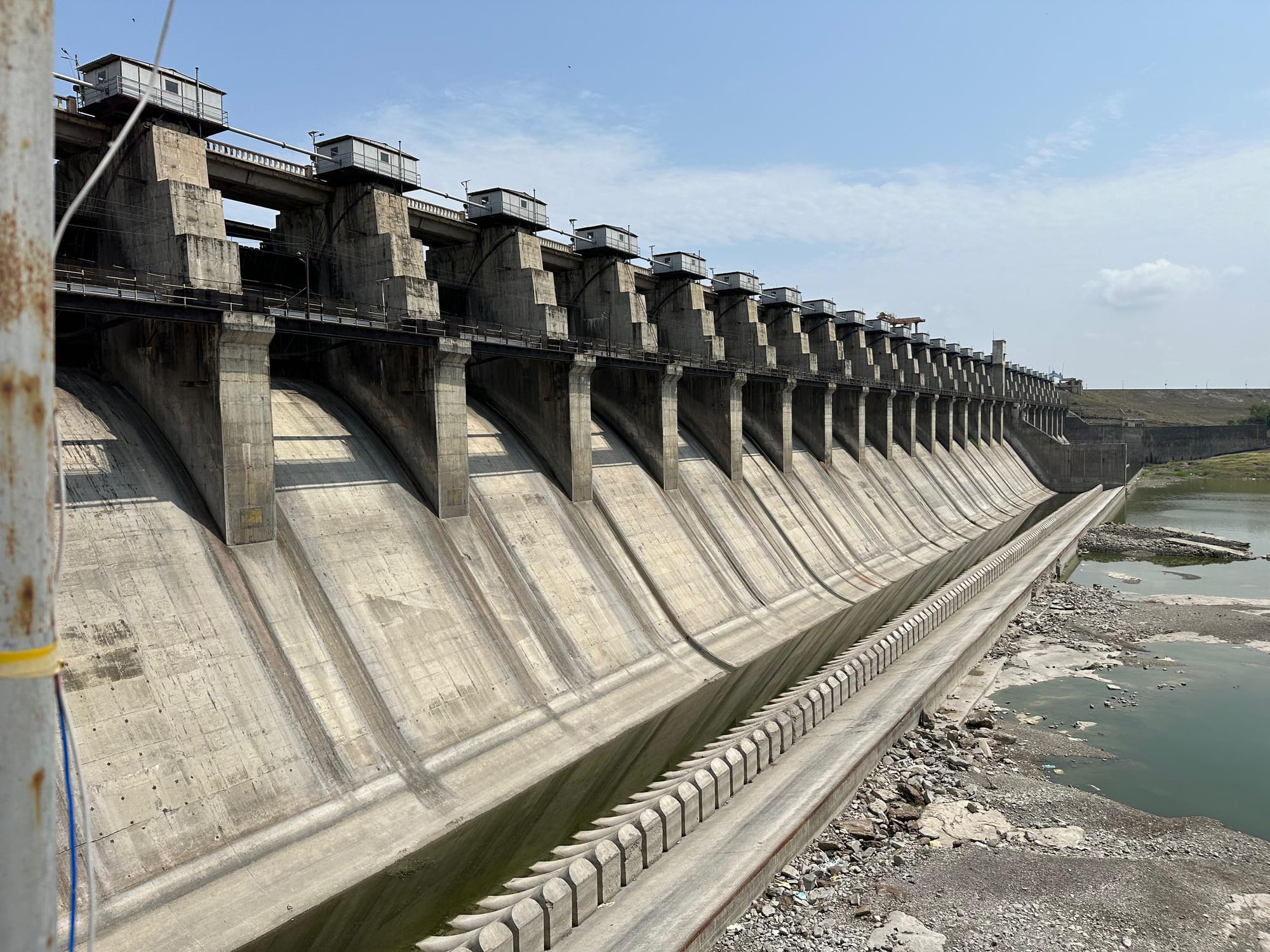
Spillways and gated RCC piers are sized to route design floods without overtopping or scour damage.
Boulder-resistant intakes
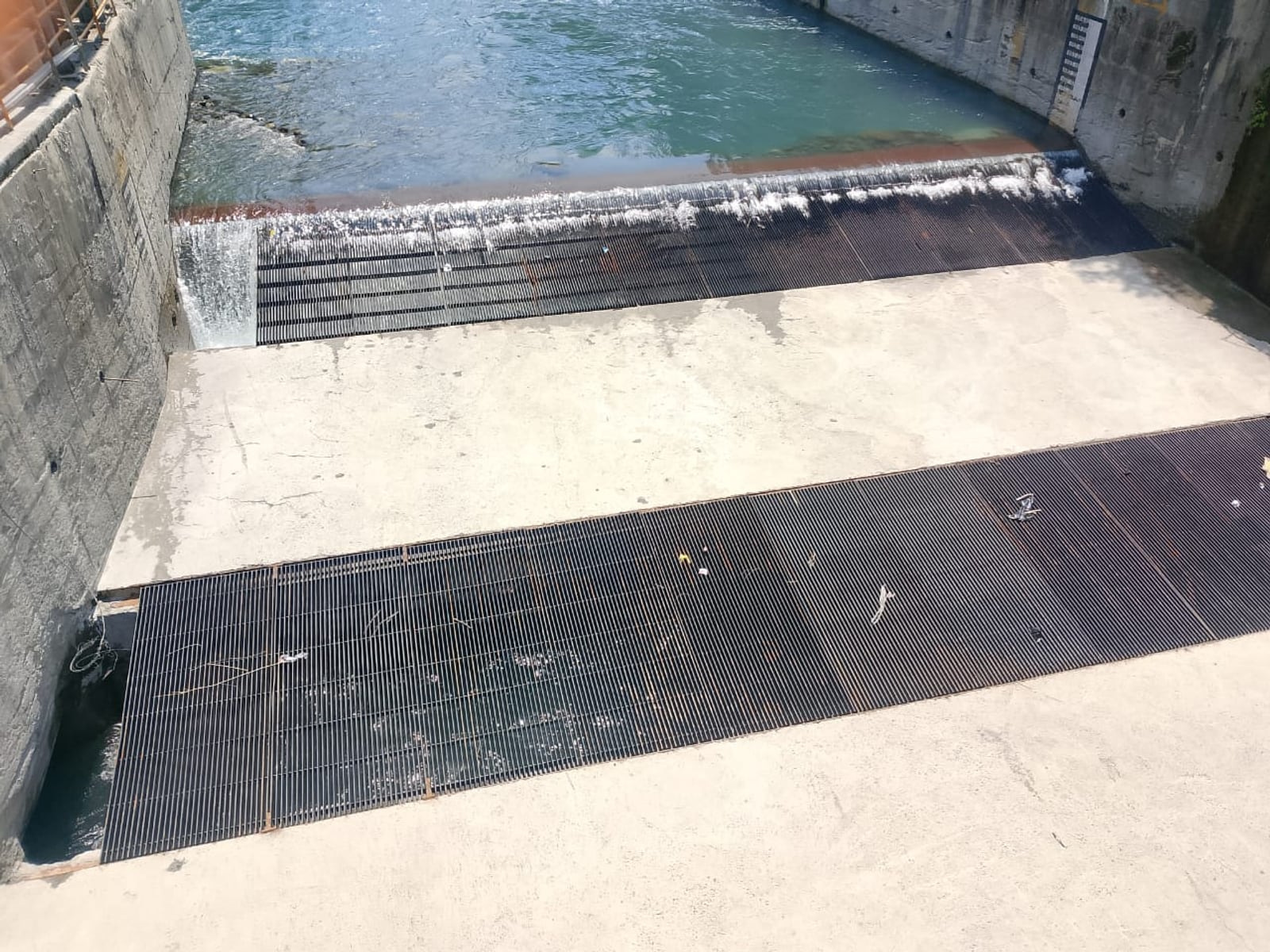
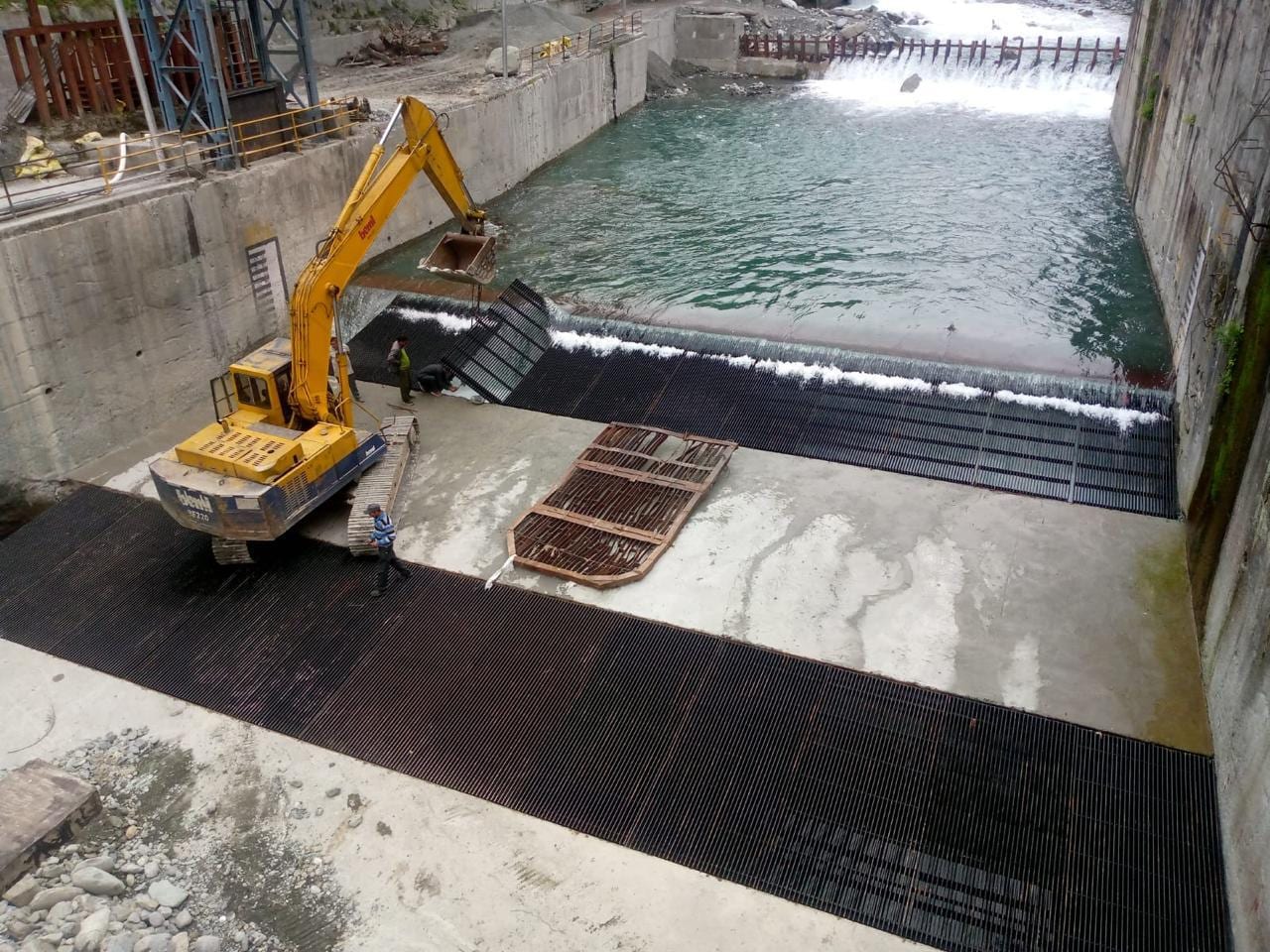
Trench weirs use boulder-resistant concrete troughs with embedded racks and desilting chambers in steep riverbeds.
Integrated with hydro-mechanical
Civil works are coordinated with the trash racks, gates and embedded parts so the two scopes fit together on site.
Site-specific engineering
Each structure is designed for its own hydrodynamic and geological conditions rather than adapted from a standard type.
Foundation treatment
Deep bedrock grouting and prepared rafts give storage dams the bearing and watertightness for high reservoir pressure.
Seepage control
Underground sheet piles and cut-offs block seepage paths under barrages built across permeable alluvial rivers.
Applications
Where civil works are delivered
Storage dams
New and modified concrete or rockfill dams in mountain valleys, with foundation grouting, spillways and outlet works.
Diversion barrages
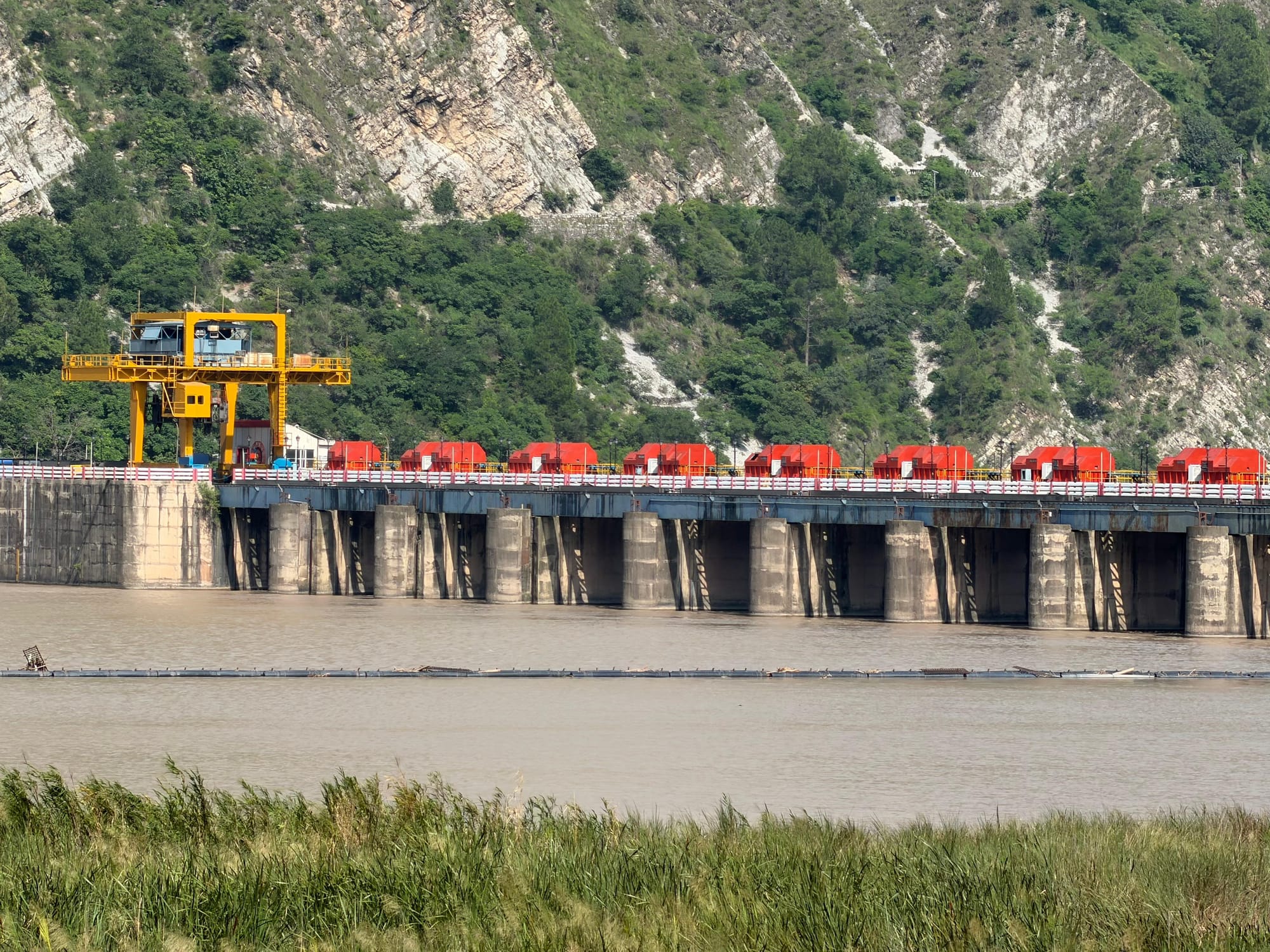
Gated barrages on wide rivers, with raft foundations and seepage cut-offs to divert flow into canals or intakes.
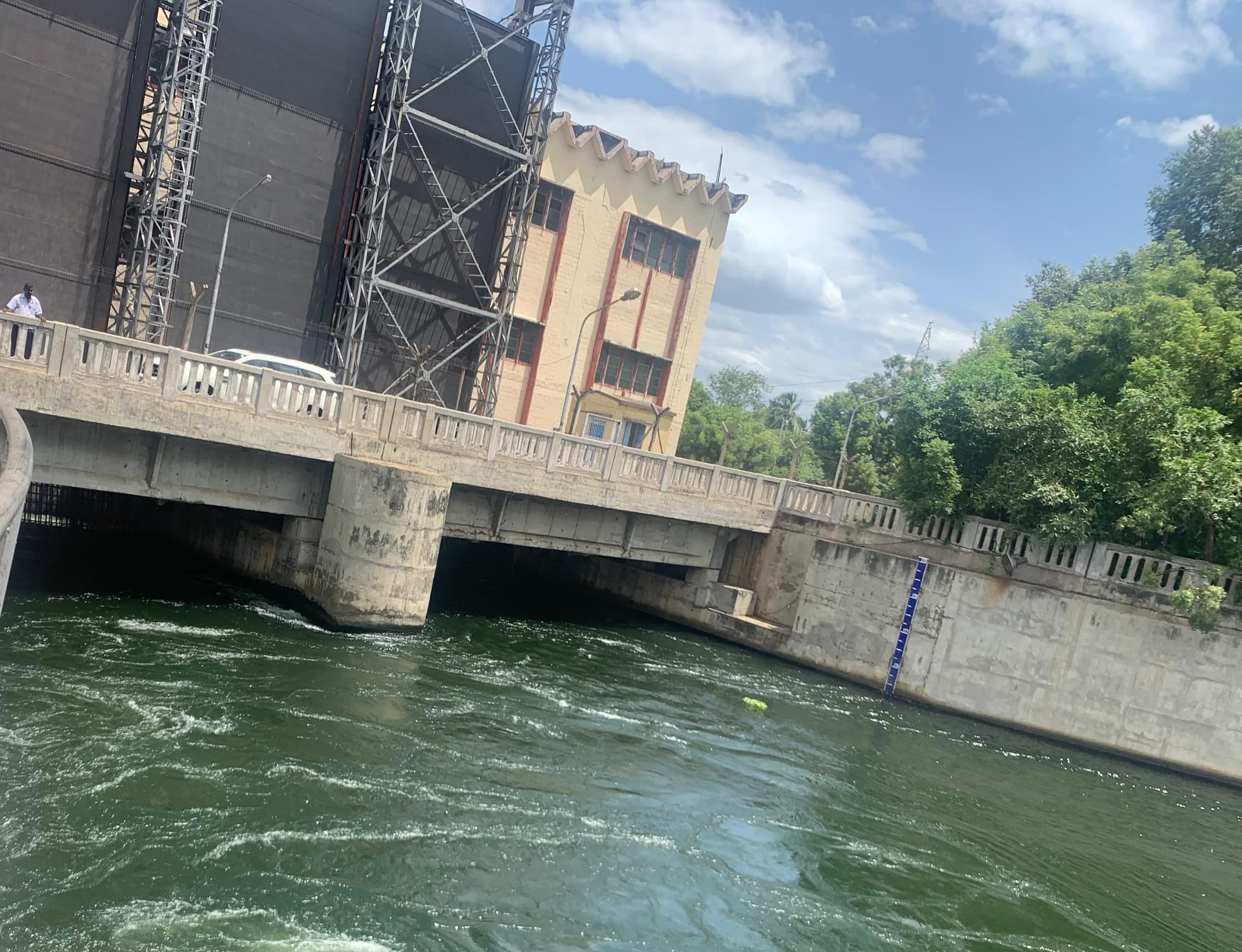
Trench-weir intakes
Stream intakes flush in steep rocky beds, capturing water while passing boulders and debris downstream.
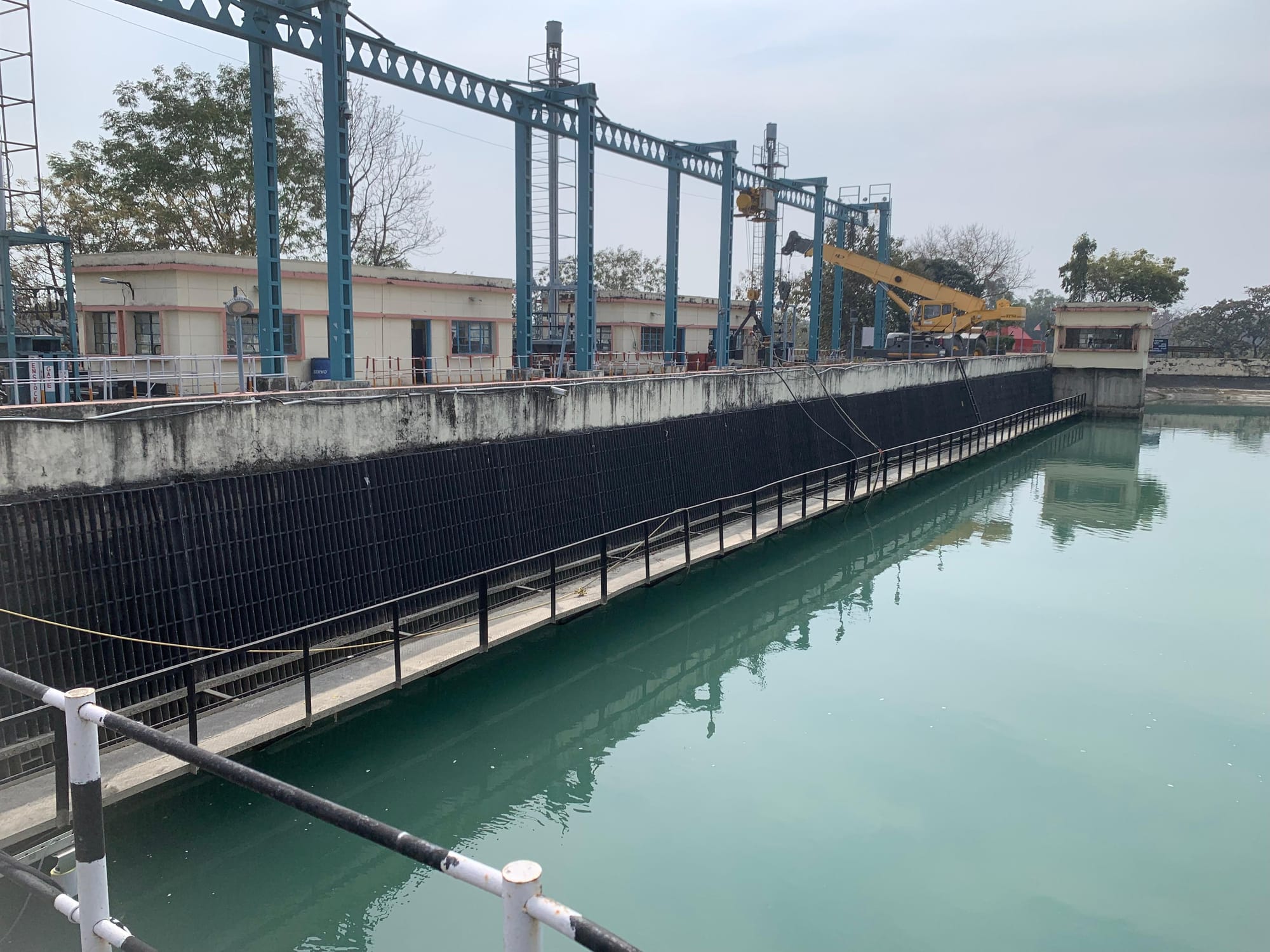
Intake screens & channels
Embedded rack panels and lined approach channels that screen the diverted flow before it reaches the conveyance system.
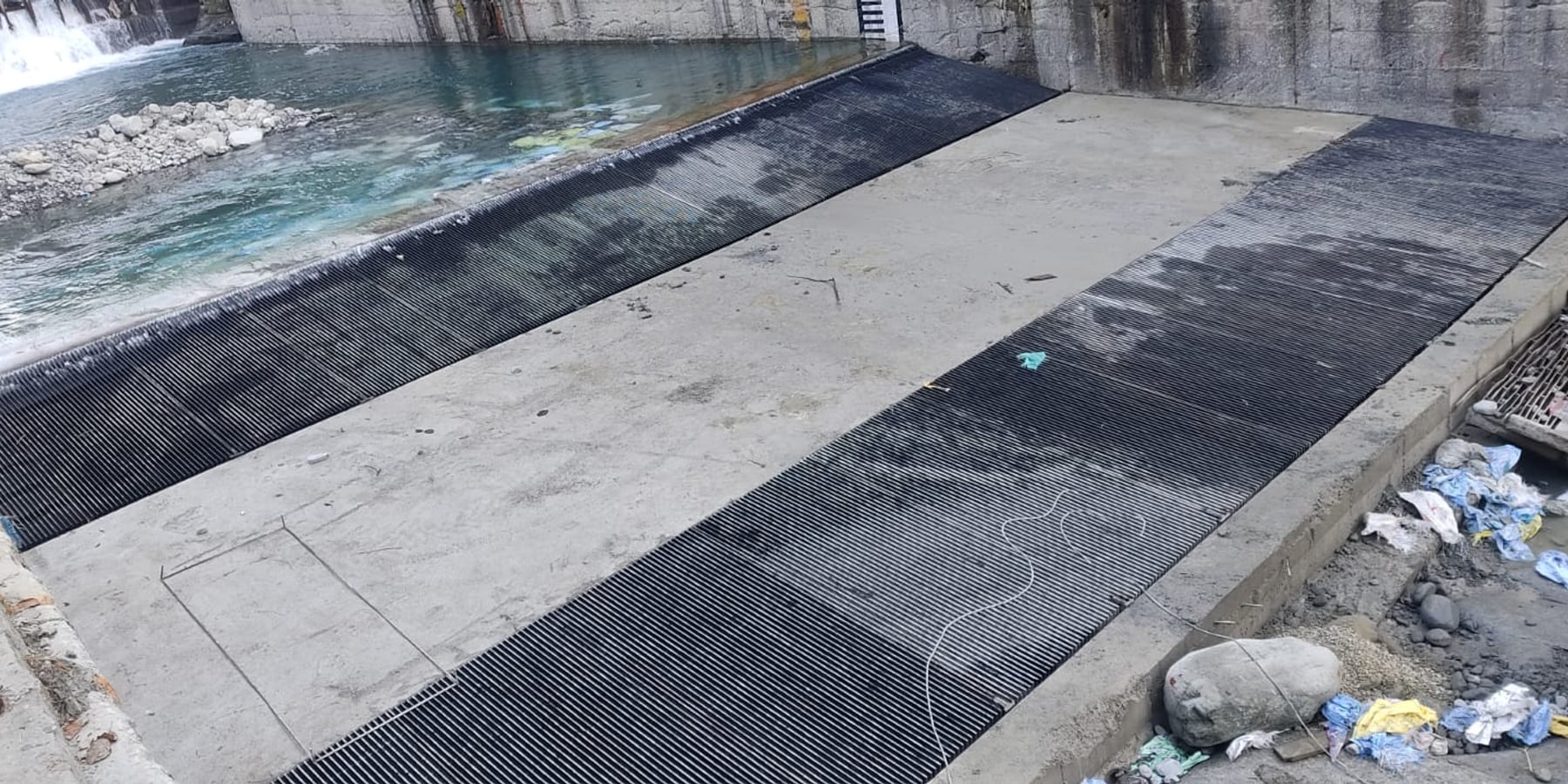
Desilting & intake chambers
Sediment-excluding chambers and approach structures tied into the intake and trash-rack arrangement.
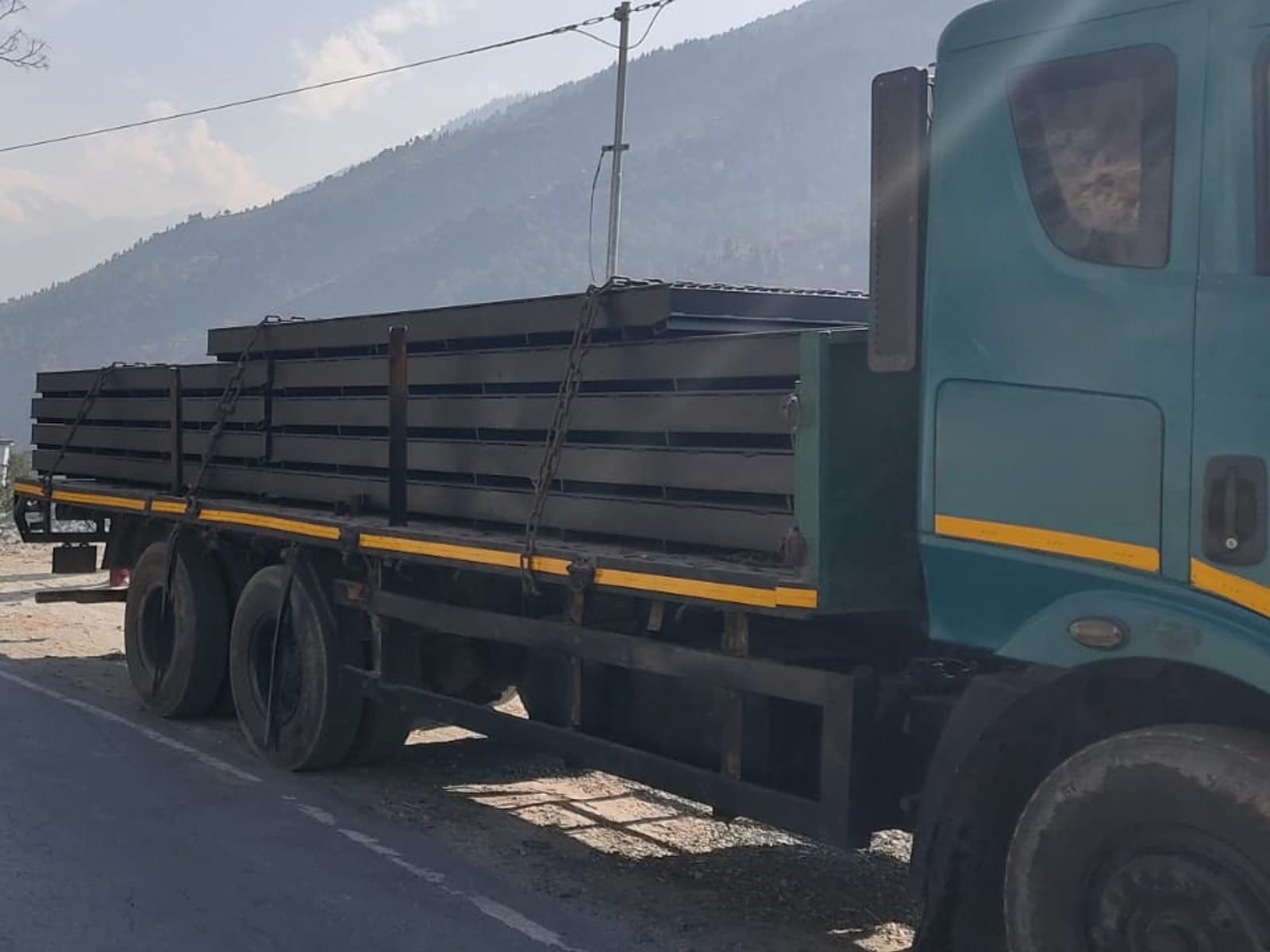
Embedded steel & site logistics
Fabricated racks, liners, gate frames and embedded parts hauled to remote sites and set into the structure.
Engineering & delivery
Investigation to commissioning
Basmni takes the civil scope from site investigation and hydraulic design through construction, coordinated with the hydro-mechanical package so the structure and its gates are delivered together.
Investigate
Design
Foundation
Construct
Commission
FAQ